Pet Food Hydrocolloids
Pet food is for two audiences: the animal that eats it, and the person who buys it. A recipe has to taste right, look good in the bowl, and hold that emulsified texture from the plant to the pantry. Pet food hydrocolloids are the functional ingredients that make it happen, controlling moisture, binding, and gel structure across every format you produce.
GPI develops pet food ingredient solutions for wet food, treats, and chews, and we formulate each blend around your recipe and the process you run. Whether you're starting a new pet food formulation or correcting texture on a current line, our team will help get hydrocolloids for pet food working the way you need them to.
Formulating for Palatability and Quality
Pet food ingredients only earn their place if the animal eats the product and the buyer trusts the brand. Our hydrocolloids support palatability by carrying coatings and protecting texture, and several of them double as a source of soluble fiber that can support digestion.
Every ingredient ships with consistent specs batch to batch, backed by our certified food-safety programs and the documentation your own quality and regulatory team needs. Bring your next pet food project to GPI, and our technical team will build these fundamentals into the formula from day one.
Solutions for Every Pet Food Format
Each format places different demands on your ingredients. Here is where our hydrocolloids do the most work, from the extruder to the can.
Dry Kibble
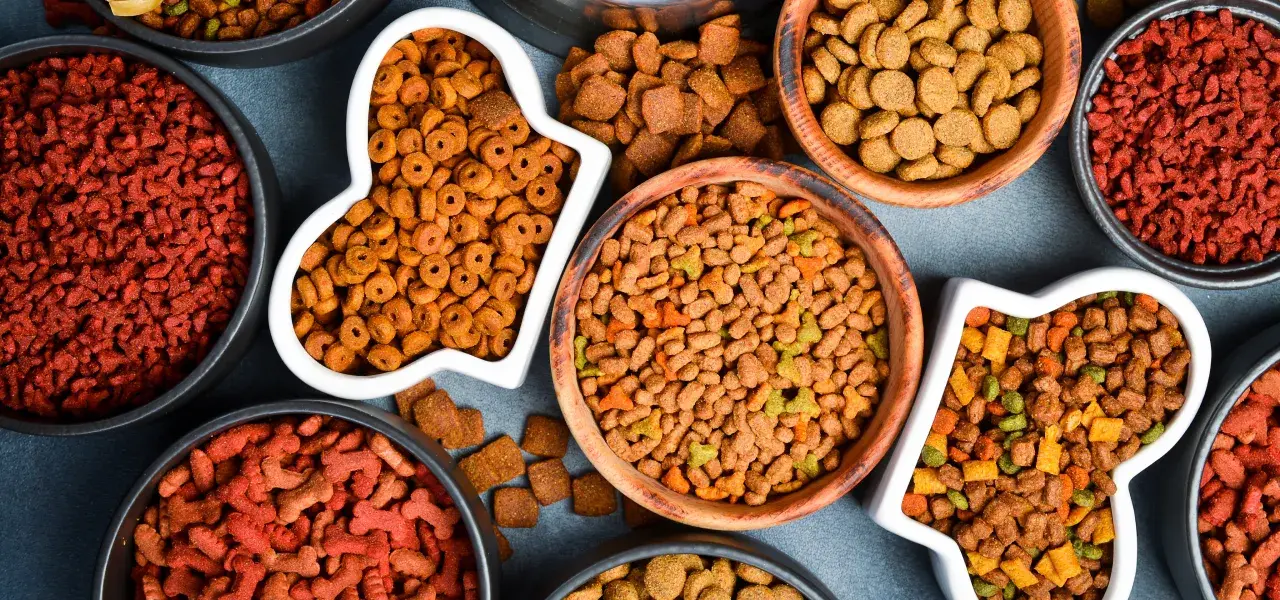
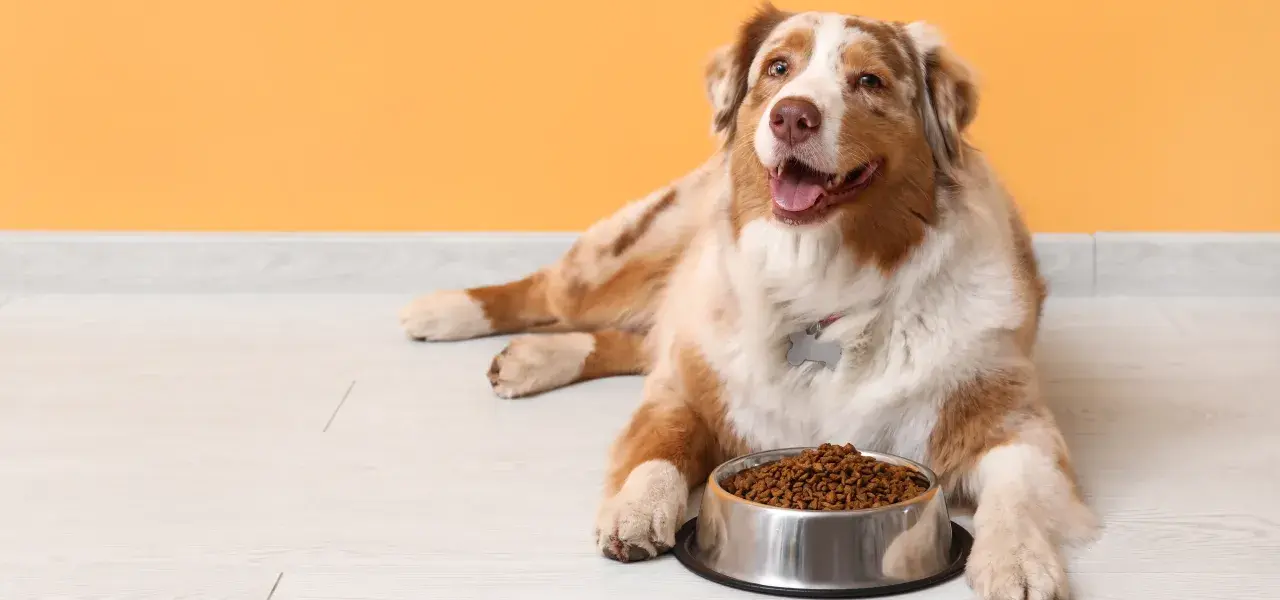
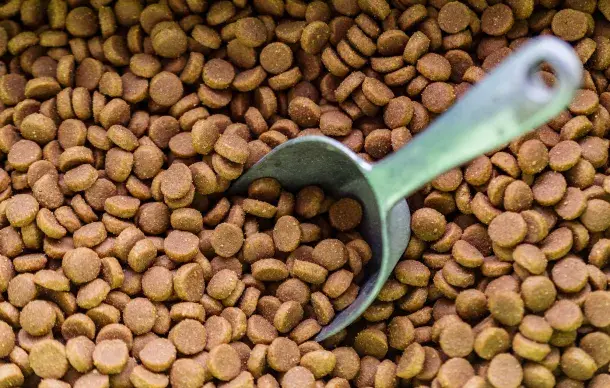
Extrusion is hard on a recipe. The right binder holds the dough together and keeps kibble shape consistent from die to dryer, with fewer fines and less breakage in the bag. Hydrocolloids also help fat and palatant coatings stick to the surface, so the flavor stays where the pet can taste it.
Wet Food
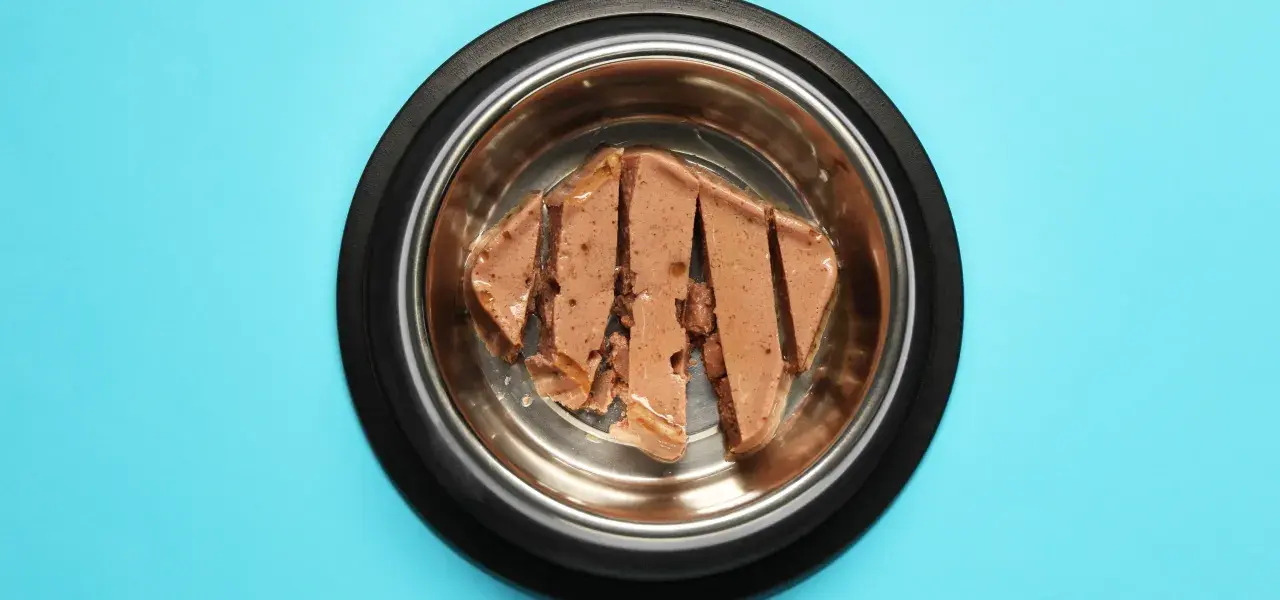
Canned and pouch products set their texture during retort. In a pâté, hydrocolloids help set the loaf so it slices cleanly and stays intact. In chunk-in-gel and gravy formats, it firms the gel and thickens the sauce, allowing it to coat each piece.
Treats & Chews
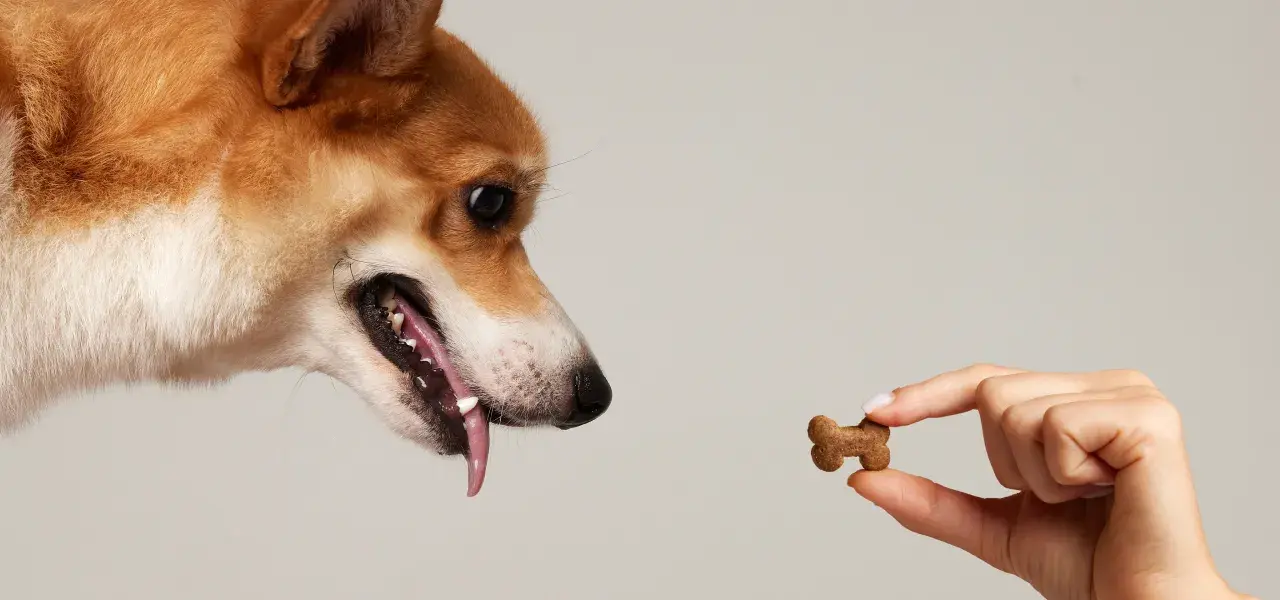
Treats live or die on texture and shelf stability. In semi-moist treats, hydrocolloids retain water, keeping the piece soft and pliable in the bag. In jerky and gummy styles, they form the chew and keep it from drying out before the pet enjoys it.
Common Pet Food Challenges We Solve
Most formulators come to us with a specific problem rather than a blank page. A few we work on often:
-
Syneresis: Free water weeps out and pools in the can or pouch, which makes a wet product look broken when the lid comes off. The right gel system locks that moisture in place.
-
Texture Drift: Treats harden or a gel softens before the bag is empty. A tuned hydrocolloid blend maintains the texture across shelf life.
-
Cost Pressures: You need to retain the current texture while trimming a more expensive binder or starch out of the formula. We rebalance the system so the eating quality stays put.
Partner With GPI on Your Next Formula
We are always happy to GUIDE you toward solutions that really PERFORM and can even INSPIRE new avenues to explore. Whether you are launching a new treat line or fixing a gel that will not set, GPI is ready to get to work. Share your target texture and your cost goal, and we will put a sample in your hands for the next batch.
Request a SampleFrequently Asked Questions About Our Pet Food Ingredient Solutions
Which hydrocolloids are most common in wet pet food?
Carrageenan, locust bean gum, guar gum, cassia, and xanthan gum appear often, usually combined so the gel and the gravy both behave correctly through retort and cooling. GPI sets the blend to the format you are running, from a firm chunk-in-gel to a smooth pâté.
Do hydrocolloids add any nutritional value to pet food?
Their main role is functional, but several hydrocolloids like acacia gum act as a source of soluble fiber, which can support stool quality and digestion. We can point you to the options that bring that benefit while still doing the texture work your recipe needs.
Can you help with grain-free or novel-protein pet food?
Yes. When you take grain starch out of a recipe, you often lose a natural binder along with it, so we recommend hydrocolloid systems that restore kibble structure or wet-food gel strength without it. This comes up often in current pet food formulation work.