Food Texturizers
Texture is the first thing a customer notices, and one of the easiest things to get wrong.
Food texturizers are the ingredients that put it under your control, shaping mouthfeel and structure so every batch eats the way you intended. GPI develops hydrocolloid food texturizers as single ingredients and as custom blends, formulated around the product you are bringing to market.
How Hydrocolloid Texturizers Work
Hydrocolloids, often called gums, are the ingredients behind the texture of your favorite foods, from the scoop of an ice cream to the body of a sauce. Texturizers in food create that texture by binding water and forming a gel network, and that network is what sets the mouthfeel and gives a product its bite.
Because so many factors affect texture at once, GPI works with you from ideation through production to find the system that hits your target.
What Hydrocolloid Texturizers Help You Do
Whatever you are formulating, texture challenges usually fall into one of these three areas.
Hit Your Texture Goals
"Creamy" peanut butter and "creamy" yogurt use the same descriptor, but call for different solutions. Texture covers mouthfeel, viscosity, chewiness, and the full sensory experience, and it ties straight to how a product performs and how it sells. Our texture experts help you break down those nuances early.
Replace Costly or Out-of-Favor Ingredients
Demand for healthier products pushes formulators to cut fat and sugar or drop ingredients shoppers no longer want, all without losing texture. The right hydrocolloid texturizers build that texture back, standing in for the richness of fat or the rounded fullness of sugar, so the eating experience stays intact.
Meet Clean-Label Targets
Many hydrocolloids come from natural sources like seaweed, seeds, fermentation, and plants, so they fit clean-label formulas without giving up performance. By binding water and forming a gel matrix, they firm up structure and improve bite and mouthfeel at the same time.
-1.webp?width=1563&height=1563&name=Texture%20sauce%20(1)-1.webp)
Not Sure Where to Start?
Pick your category below to see what texturizer solutions have already been formulated around it:
Texturizers in Action
Every product has its own texture needs. Here are just some of the products our texture team has formulated in the past.
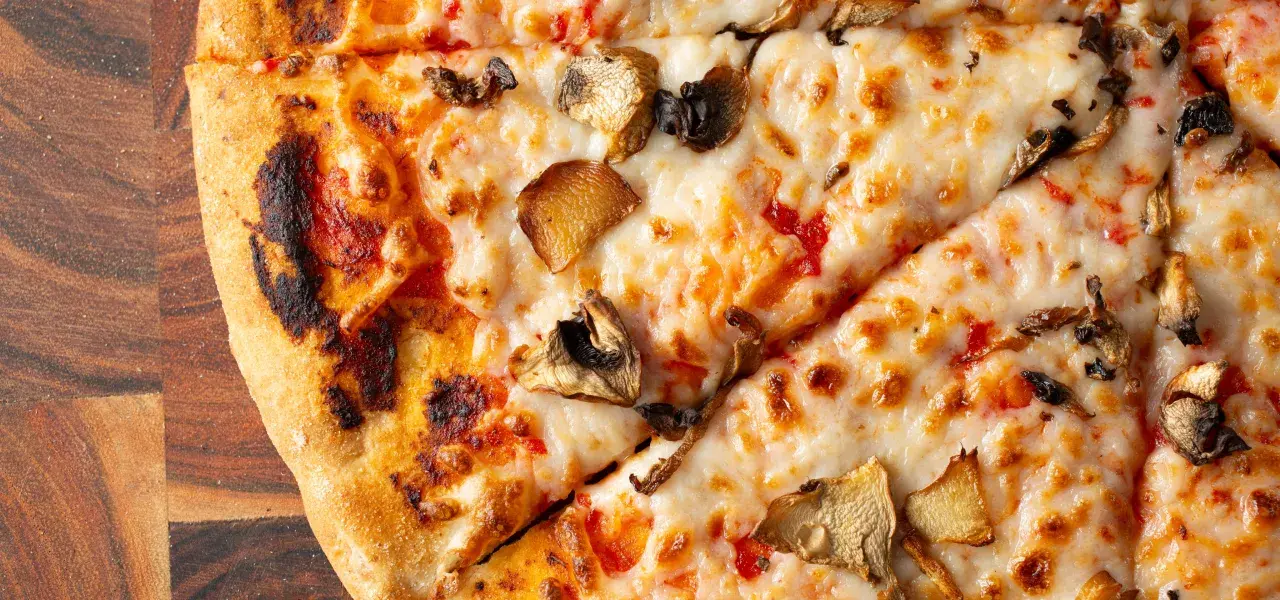
GPI GF Pizza Crust
A chewy center and a crisp edge, without the gluten.
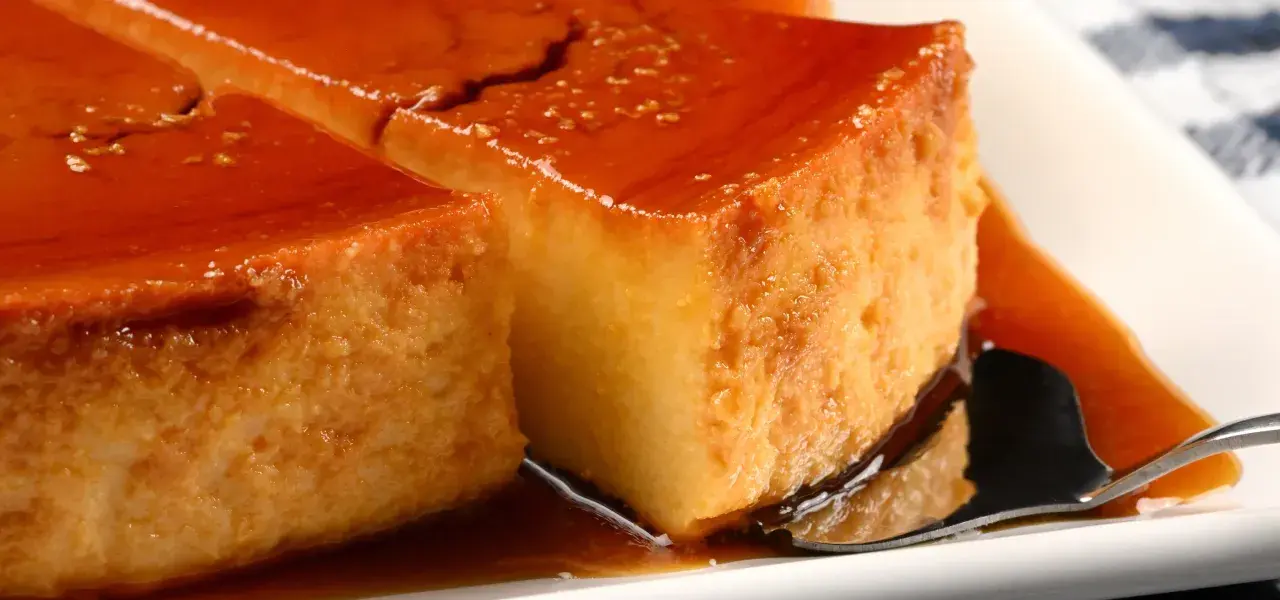
GPI 315
A gelatin replacement for flans and puddings with a velvety, melt-in-the-mouth set.
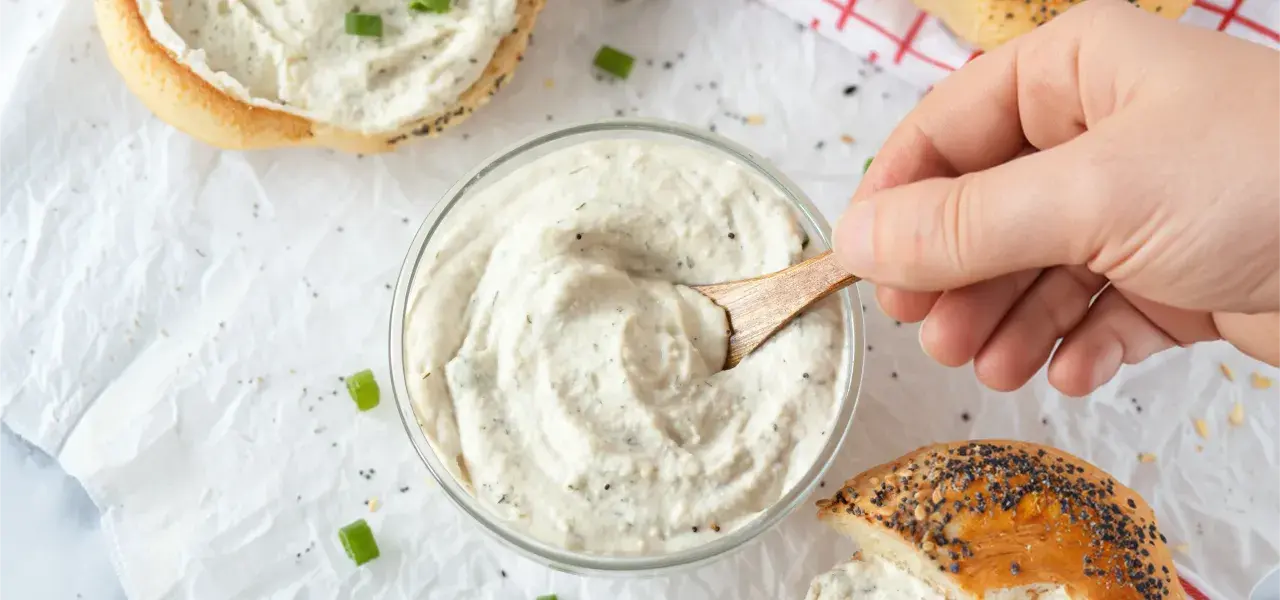
GPI PB 1300
Vegan cream cheese that stays spreadable straight from the fridge.
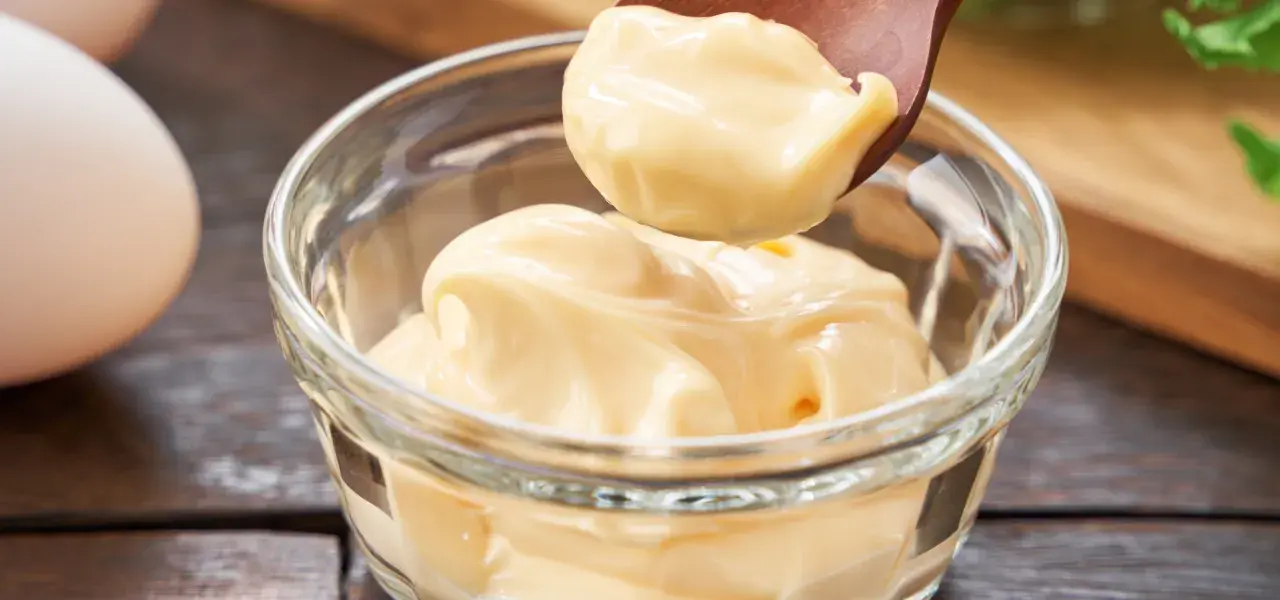
GPI GX 130-1
Holds particulates in suspension and leaves a clean, creamy mouthfeel.
Let's Solve Your Texture Challenge
We are always happy to GUIDE you toward solutions that really PERFORM and can even INSPIRE new avenues to explore. Bring us the texture you're after or the ingredient you need to replace, and our food scientists will recommend a single texturizer or a custom blend and get a sample to your bench. From there, we work the formula with you through the production run.
Request a SampleFrequently Asked Questions About Hydrocolloid Food Texturizers
What is the difference between a food texturizer and a stabilizer?
A texturizer changes how a product feels and holds together when you eat it. A stabilizer keeps a finished product consistent over time, holding an emulsion or suspension together through storage. Many formulas use both, and several hydrocolloids can play either role depending on how they are dosed.
Will a food texturizer change the flavor of my product?
Most hydrocolloid food texturizers are neutral in taste, so they adjust texture without getting in the way of flavor. In fat or sugar reduction, they can even help carry flavor that would otherwise drop off with the ingredient you removed.
Do food texturizers work in both hot and cold processes?
Yes, though the right choice depends on the process. Some gums set with heat while others build texture cold, and the right pH or mineral level can be the deciding factor. We match the texturizer to the conditions on your line.