

6 min read
Mold Inhibition Without Calcium Propionate: Organic Compatible Alternatives
Mold Inhibition Without Calcium Propionate: Organic Compatible Alternatives Mold is the spoilage organism your customer sees.
3 min read
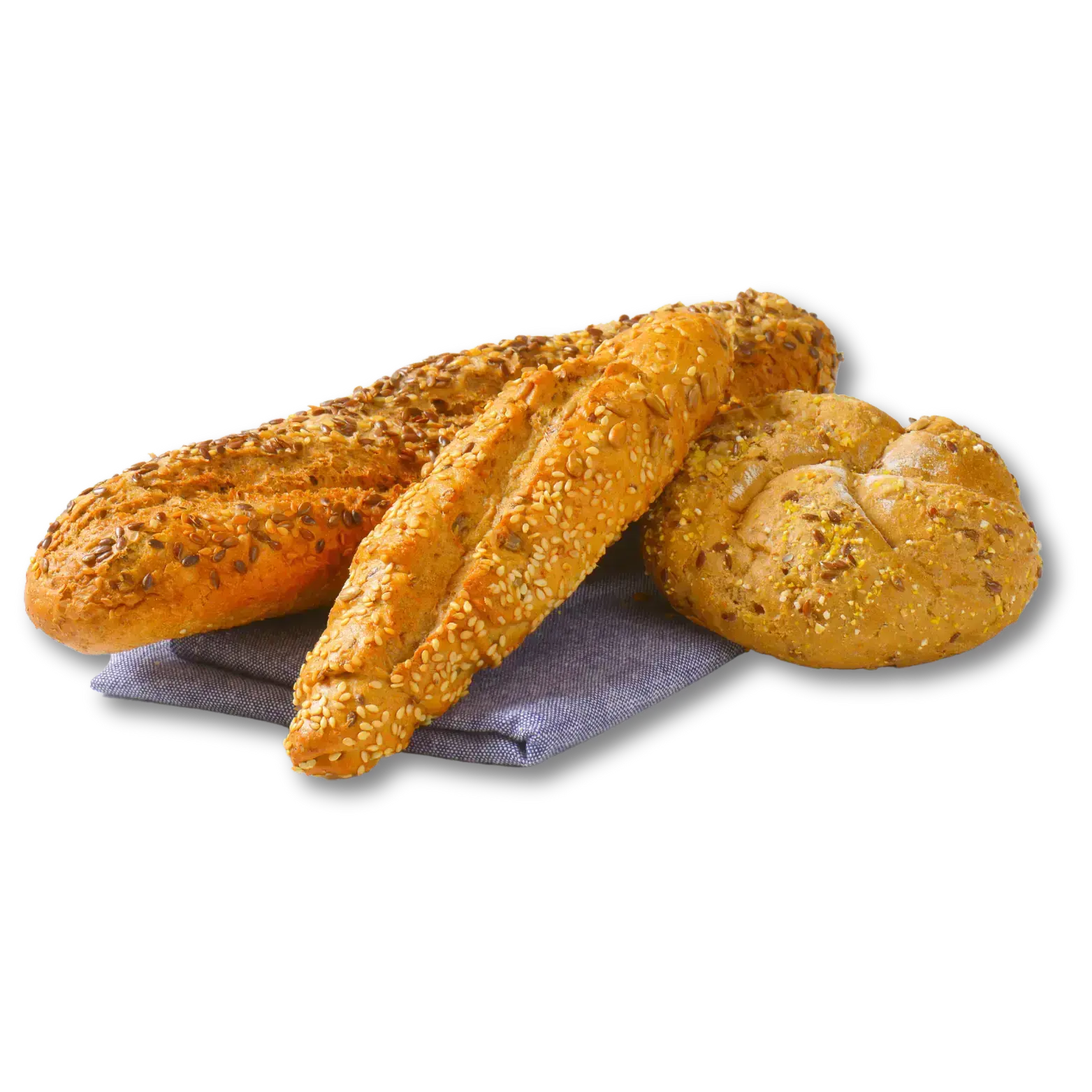
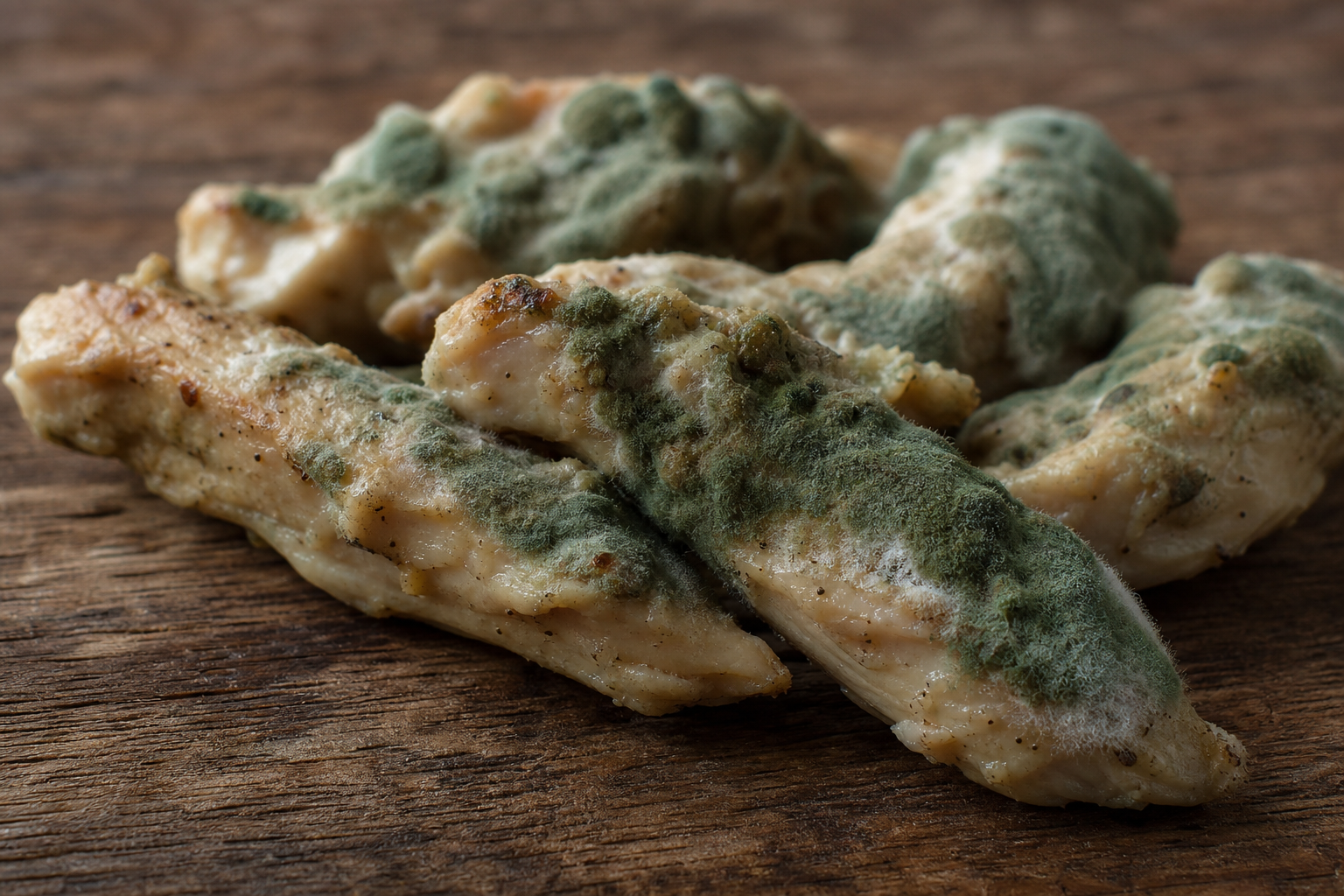
Mold is the shelf-life problem that costs commercial bakeries the most money and gets the least attention. A batch that molds three days early triggers a retailer chargeback, eats into the fill rate that keeps you on the shelf, and quietly caps how far you can distribute.
For decades the answer was calcium propionate. It works, it is cheap, and it is well understood. It is also increasingly a problem on the label, and that is pushing bakery R&D teams toward a natural mold inhibitor for baked goods that holds the same shelf life without the ingredient-panel baggage.
Nothing about propionate has changed. What changed is who reads the label.
Retailer ingredient policies now screen for synthetic preservatives on private-label and better-for-you sets. Foodservice and school accounts write clean-label language directly into their specs. And a shopper comparing two loaves reads "calcium propionate" as a chemical and "vinegar" as food, regardless of what the toxicology says.
Bakeries also lose a whole category of business when propionate is on the panel. Any product positioned as organic, non-GMO, or free of artificial preservatives is closed off — a revenue ceiling for co-manufacturers chasing the emerging-brand accounts that are actually growing.
Buffered vinegar and cultured dextrose lower the pH of the water phase in the crumb and raise the concentration of undissociated acid molecules. Those uncharged molecules pass through the mold cell membrane, dissociate inside where the pH is higher, and disrupt the internal pH balance the organism needs to grow. Spores are prevented from germinating rather than killed on contact.
Two things make this work for bakery. It declares as food — GPI ECCO products carry the ingredient statement Vinegar, Cultured Dextrose, with no preservative or chemical name required. And it does not fight your flavor profile: ECCO 4.8 is formulated for neutral taste and smell, and ECCO Plus DV does not alter flavor at recommended dosage.
The most common reason a clean-label mold inhibitor fails a plant trial is not efficacy — it is that the format did not fit the process. GPI supplies the same chemistry two ways.
GPI ECCO 4.8 is a liquid mold inhibitor for baked goods, pastries, and prepared refrigerated foods, diluted to a 5% solution and sprayed onto product immediately after baking at roughly 2% uptake. Surface application targets where mold actually starts — airborne spores recontaminate product after the oven kills everything in the crumb — and the inhibitor never goes through heat. It is also available as USDA Certified Organic, and in specific applications and dosages it outperforms calcium propionate.
GPI ECCO Plus DV is a concentrated dry powder dosed at 0.50–0.75% with your other dry ingredients. No new equipment, no line change. It also inhibits spoilage bacteria including L. monocytogenes, so plants running both bakery and prepared-food lines can standardize on one ingredient.
| GPI ECCO 4.8 | GPI ECCO Plus DV | |
|---|---|---|
| Format | Liquid | Dry powder |
| Application point | Post-bake surface spray | With dry ingredients |
| Typical dosage | 5% solution, 2% uptake | 0.50–0.75% |
| Shelf life | 42 months | 24 months |
| Organic option | USDA Certified Organic available | Contact GPI |
| Label declaration | Vinegar, Cultured Dextrose | Vinegar, Cultured Dextrose |
Running a conventional and a certified organic SKU usually means two preservative systems, two specs, and two sets of documentation. The USDA Certified Organic version of ECCO 4.8 keeps one chemistry and one process across both — less QA load, and far easier to quote organic work you would otherwise pass on.
Clean-label mold inhibition is more sensitive to your specific system than propionate is. Water activity, finished-product pH, packaging atmosphere, and distribution temperature all move the result. Baseline your current formula first, bracket the dosage across the recommended range rather than testing one point, hold flour lot and packaging constant, and run sensory at the top of the range. Confirm label copy before scale-up, not after the first production run.
Both products conform to U.S. FDA and USDA/FSIS standards. SDS and allergen information are available on request.
Is a natural mold inhibitor as effective as calcium propionate? In specific applications and at appropriate dosages, GPI ECCO 4.8 outperforms calcium propionate. Results depend on your formulation, water activity, and packaging.
How does it appear on the ingredient panel? As Vinegar, Cultured Dextrose. No preservative or chemical name is required.
Do I need new equipment? Not for the dry powder. The liquid requires a post-bake spray application step.
GPI supplies functional and clean-label ingredients to commercial bakeries across the United States. If you are evaluating a calcium propionate alternative, our technical team can help you pick the right format and dosage range before you commit to a trial.
Contact GPI at GPI@gpiglobal.com or +1 (905) 853-8828 to request a sample and full specifications.
6 min read
Mold Inhibition Without Calcium Propionate: Organic Compatible Alternatives Mold is the spoilage organism your customer sees.

5 min read
Bacteria Inhibition in Processed and Refrigerated Meat: A Clean-Label Approach

6 min read
Natural Antimicrobials for Shelf-Life Extension: A Guide for Meat Processors