
5 min read
Acacia Gum for US Processors — Securing a Reliable, Spec-Matched Supply
Acacia gum — also called gum arabic — is one of the most versatile hydrocolloids in a formulator's toolkit. It emulsifies flavor oils in beverages,...
2 min read
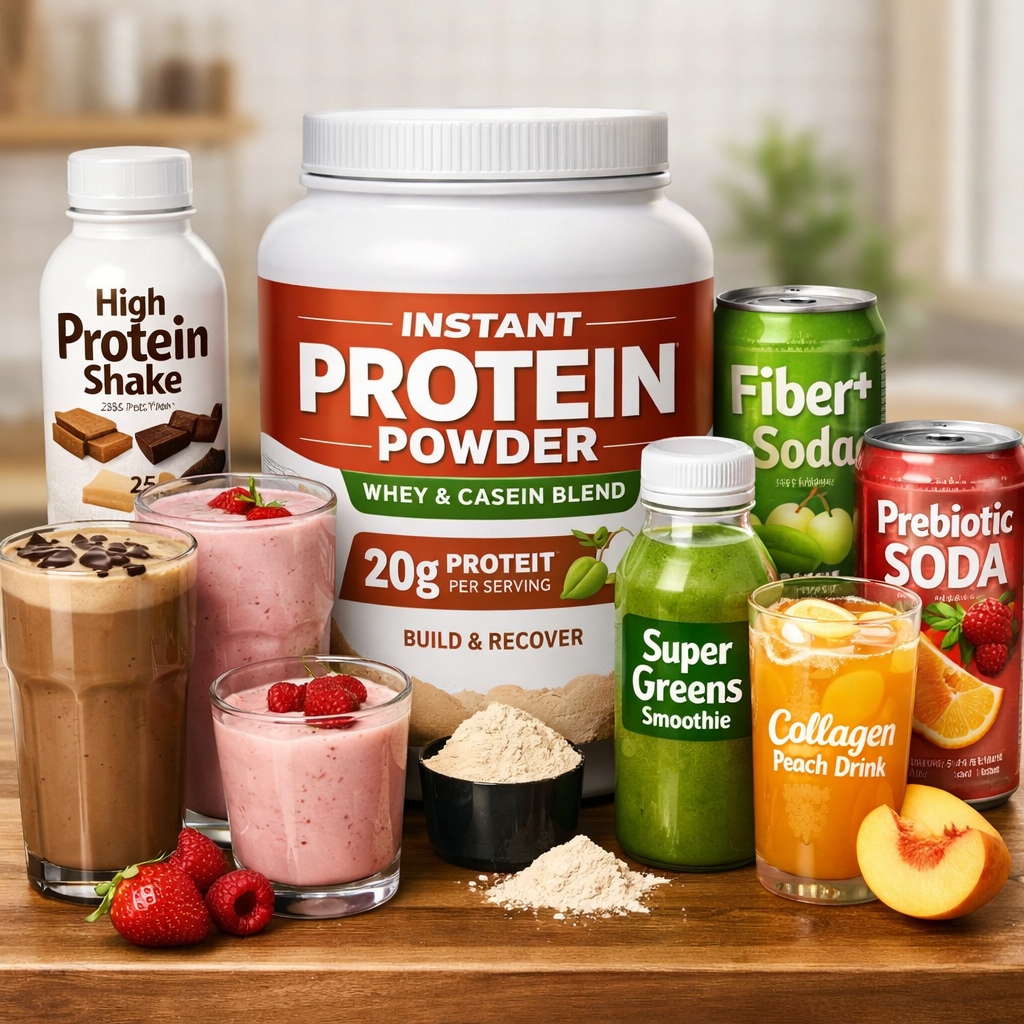
Xanthan gum is one of the most widely used hydrocolloids in the food industry — and one of the most underestimated. It shows up in everything from salad dressings and sauces to plant-based proteins and gluten-free baked goods. But despite its ubiquity, xanthan gum is frequently sourced and applied without a full understanding of how grade selection, inclusion rate, and system compatibility affect real-world performance.
This post covers the fundamentals: what xanthan gum is, how it works, and what your formulation team should know before specifying it.
Xanthan gum is a polysaccharide produced through the fermentation of glucose or sucrose by the bacterium Xanthomonas campestris. It is approved for use in food applications worldwide and recognized as GRAS (Generally Recognized as Safe) by the FDA.
Its primary functions in food systems are:
Not all xanthan gum is interchangeable. Mesh grade — the particle size of the dry powder — has a direct impact on how the ingredient behaves in your system:
Specifying the wrong grade for your process can introduce texture inconsistencies, processing headaches, and unnecessary reformulation cycles — all of which are avoidable with the right supplier conversation upfront.
One specification that is often overlooked is amylase activity. Amylase is an enzyme that breaks down starch. In xanthan gum products that are not certified amylase-free, residual amylase activity can degrade starch-based texture systems over time — particularly in ambient and chilled distribution environments where temperatures are not high enough to inactivate the enzyme.
For retorted products, this is less of a concern — retort temperatures inactivate amylase. But for ambient, chilled, or refrigerated formulations containing starch, specifying an amylase-free grade is a meaningful quality safeguard.
GPI manufactures xanthan gum under the PureXan brand (PureXan 200an & PureXan 80an)— available in both fine and coarse mesh grades, both amylase-free, and both manufactured in the United States. Our product documentation includes full specification sheets and application data sheets to support your qualification process.
If you are evaluating a new xanthan gum source or working through a formulation challenge, our technical team is available to support your process.

5 min read
Acacia gum — also called gum arabic — is one of the most versatile hydrocolloids in a formulator's toolkit. It emulsifies flavor oils in beverages,...
4 min read
One of the most common formulation questions we hear from R&D and procurement teams is also one of the most straightforward to resolve — once you...
7 min read
Xanthan Gum Is Here: Introducing GPI PureXan for the U.S. Market At Gum Products International Inc. (GPI), we’re always looking for ways to bring our...